
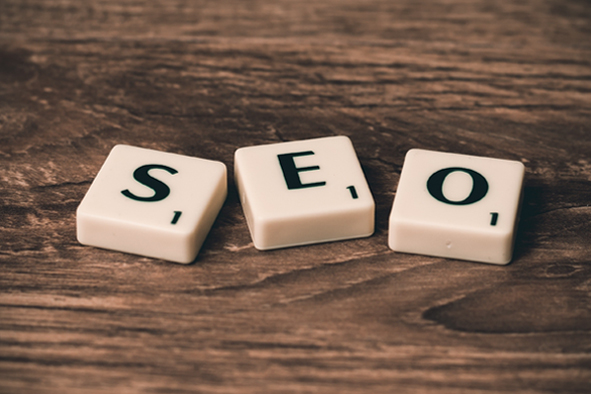
According to Moz, search engine optimisation (SEO) refers to the practice of increasing valuable traffic to a website through organic search engine results. Meaning, the process of publishing keyword rich content, which serves to support a searcher’s intent.
Since its estimated arrival in the early 1990’s, SEO has evolved in accordance with Google’s algorithms and quickly become a key driver for success in the digital landscape.
For 2019, the conventional way to succeed in search engine optimisation is by creating content that is a combination of your business’ expertise and you customer’s needs.

[Hands Typing. Used with permission. Cytonn Photography]
This involves the practice of writing in a way which reflects a solution for a customer’s query. Google ranks pages higher than others based off various metrics that consider things like; click rate, bounce rate, total visits, and total time spent on a page.
However, as mentioned in Neil Patel’s video below, just because Google praises good content that doesn’t mean you can regurgitate old content on your website and expect to see results.
The current algorithms look for new and unique content to reward. Therefore, posts with fresh content are more likely to receive better traffic, backlinks and shares.
[SEO in 2019. Used with permission. Neil Patel]
Another way to increase your site’s SEO ranking is by regularly updating your page and including descriptive links. The flow of new content provides relevancy and when it’s combined with appropriate links it can further accommodate for a wider audience.
For instance, links with a good description can assist users with screen readers who are visually impaired.
Furthermore, by writing with these practices in mind and having the visibility of your website grow it is likely you will stand out amidst the clutter.

[Analytics. Used with permission. Edho Pratama]
Searchers will recognise that you rank highly for a reason and become familiar with your platform. Consequently, this can then lead to an overall increase in the loyalty of your consumers and result in profitable circumstances.
Finally, the last way to achieve successful search engine optimisation is by having interactions with the visitors who choose to access your website.
Having referrals from people who are posting your site from other authoritative platforms (e.g. Facebook, Twitter, etc,.) will positively influence your global search position. Moreover, referrals give your website a ‘vote of confidence‘ and search engines can infer that your content is worth linking to.
The next step for enhancing your SEO skills
Now that the fundamentals have been discussed, the next step is to practice and put your website to the test. There are also some helpful guides available online to assist you in growing your business by implementing social media strategies.
You can read my article about the importance of good social media use here.
Tell me in the comments section below, how has SEO impacted your business?
Timothy Thorpe is a Master of Marketing Communications student at the University of Melbourne. @timothythorpe47
[Featured Image: SEO. Used with permission. Pxhere]
 Timothy Thorpe